
Indian Fashion Has Always Shaped Global Fashion — It’s Time the World Recognised It.
Indian fashion has never been “discovering its moment” in global luxury. It has been shaping it for centuries.
From intricate hand embroidery techniques like zardozi and chikankari, to the architectural drape of the sari and the tailored elegance of the salwar kameez, South Asian design has long informed global aesthetics — often without attribution. What we are witnessing today is not the emergence of influence, but the reappearance of it within Western luxury systems that have historically under-credited its origins.
The global fashion industry is valued at over $1.7 trillion (McKinsey, The State of Fashion 2025), and yet the contribution of South Asian craftsmanship within luxury supply chains, textile innovation, and design inspiration remains significantly under-recognised in mainstream narratives.
This is not a question of relevance. It is a question of recognition.
When South Asian Representation Moves from Moment to Permanence
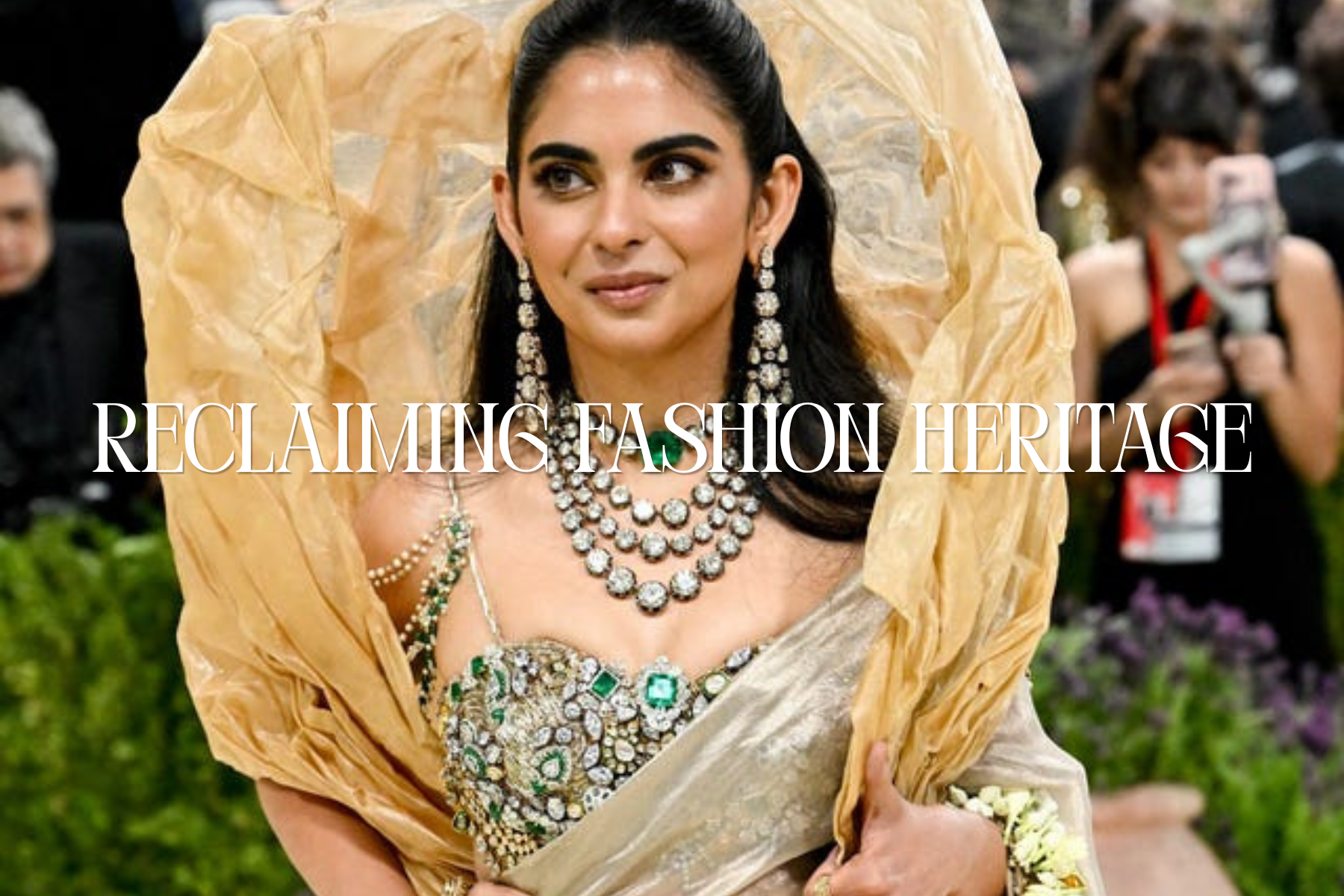
This year’s Met Gala unfolded with its signature spectacle, yet what truly lingered was the quiet, powerful elevation of South Asian presence across the red carpet. There was an undeniable sense of cultural ease and command — Simone Ashley embodying modern glamour with a subtle nod to heritage, Karan Johar bringing his unmistakable cinematic flair to fashion’s most photographed staircase, and Isha Ambani Piramal reflecting a new wave of South Asian presence within global luxury circles.
It felt less like “representation” as a moment, and more like presence as permanence.

This matters because representation in fashion has historically been cyclical — appearing in themed collections, seasonal inspiration boards, or “exotic” references, before fading again. But South Asian identity is no longer peripheral to global luxury. It is embedded within it.
According to the British Fashion Council (2024), South Asian consumers now represent one of the fastest-growing luxury buying demographics in the UK, with luxury spending projected to grow at 6–8% annually through 2030, outpacing many Western markets.
The audience is here. The influence is here. The question is whether recognition is keeping pace.
The Problem With “Inspiration” Without Attribution
What happens when centuries-old design language walks a Western runway… but its name is changed, softened, or lost entirely?
Fashion has always been a global conversation. But increasingly, we are seeing South Asian design elements reinterpreted on Western runways without clear recognition of their origins.
Take jhumka earrings — a timeless staple across South Asia for generations. Recently seen on the Ralph Lauren runway, yet often described simply as “vintage,” stripping away their cultural and historical context.
Or Kolhapuri chappals, handcrafted in Maharashtra with a heritage spanning over 500 years, appearing on luxury runways such as Prada at price points that bear little resemblance to their original artisan-led accessibility.
Even contemporary celebrity styling reflects this pattern. Kendall Jenner’s tunic-and-trouser silhouette closely mirrors the structure of the salwar kameez, a garment dating back to the 13th century and deeply embedded in South Asian daily wear, ceremony, and identity.

This is not about ownership. Fashion is, and has always been, a shared language shaped by migration, exchange, and cultural overlap.
But influence without recognition creates imbalance.
The Craft Economy Behind South Asian Fashion
South Asia is home to one of the largest artisan economies in the world. India alone supports an estimated 7 million handicraft artisans (Ministry of Textiles, Government of India), contributing to a sector valued at over $35 billion USD in exports and domestic production combined.
Techniques such as:
- Zardozi embroidery (gold threadwork dating back to Mughal courts)
- Bandhani tie-dye from Gujarat and Rajasthan
- Chikankari hand embroidery from Lucknow
- Banarasi weaving traditions dating over 500 years
…are not aesthetic references. They are living economies, sustained by generational knowledge systems.
And yet, in global luxury discourse, these techniques are frequently reframed without naming their origin — or the communities that sustain them.
Recognition is not symbolic. It is economic.

Why Representation Matters More Than Ever
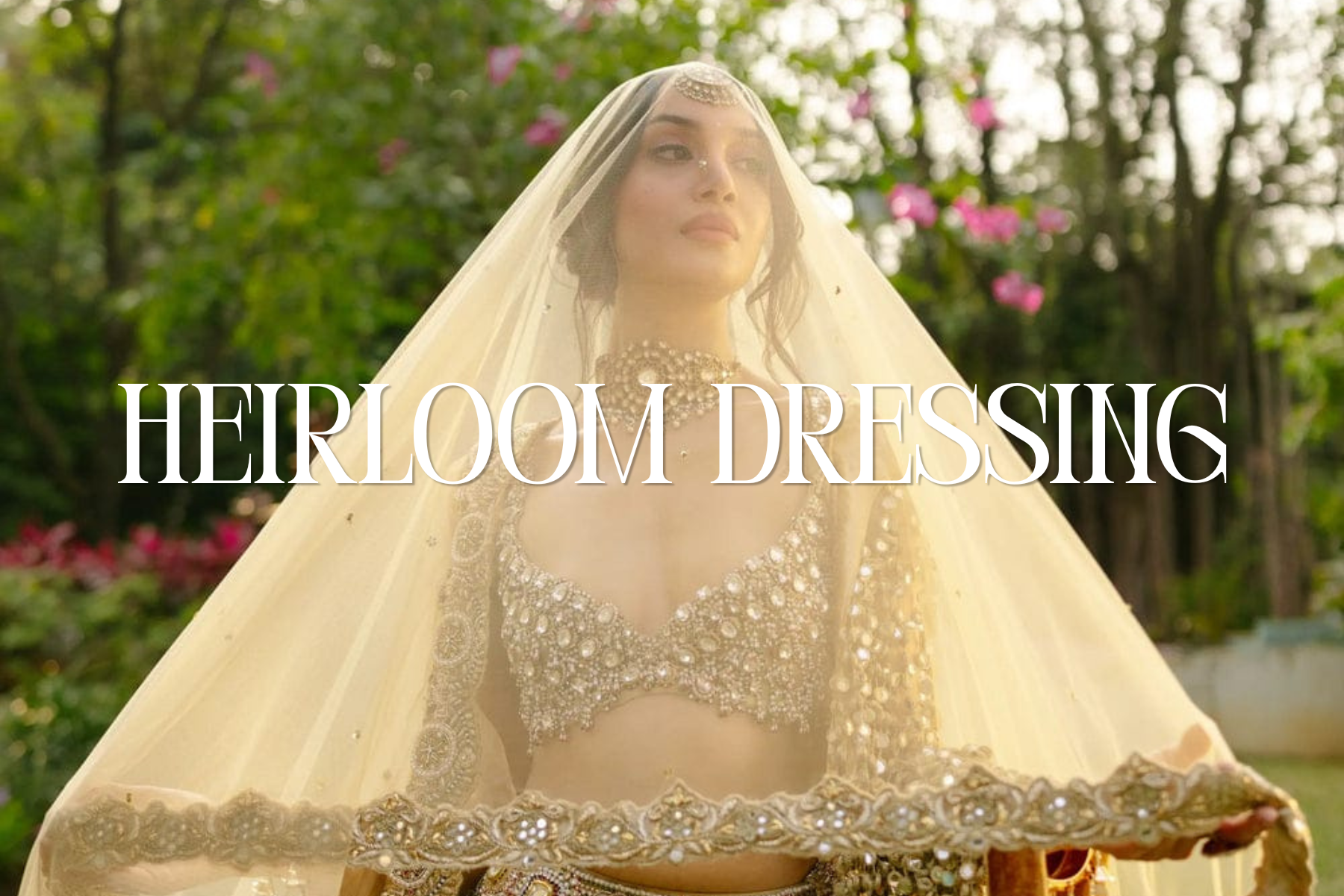
South Asian designers are no longer emerging voices — they are central contributors to global fashion’s evolution. Designers such as Sabyasachi Mukherjee, Gaurav Gupta, Rahul Mishra, and Manish Malhotra are redefining couture on an international stage, while global luxury houses increasingly draw from South Asian silhouettes, textures, and textile languages.
The global luxury market is projected to reach $1.5 trillion by 2030 (Statista, 2025), and South Asian consumers are expected to account for a disproportionately large share of growth in new luxury demand.
This shift makes visibility and attribution not just cultural — but commercial.
When South Asian design is properly credited, it strengthens global understanding, expands creative legitimacy, and opens space for artisans and designers to participate in the value their craft generates.

Restoring Context, Not Restricting Creativity
The conversation is not about limiting inspiration. It is about restoring context.
When South Asian craft, silhouettes, and heritage are referenced, there is an opportunity — and increasingly a responsibility — to acknowledge origin, lineage, and the communities that have preserved these traditions for centuries.
Recognition does not diminish creativity. It deepens it.
Because South Asian design is not a trend cycle to be rediscovered. It is a long-standing, living archive of craftsmanship, symbolism, and innovation that continues to shape global fashion in ways that are often unseen, unnamed, and under-credited.
Final Thought
Indian fashion has always shaped global fashion.
The difference now is not influence — it is visibility.
And visibility, finally, is beginning to catch up.

Leave a comment
This site is protected by hCaptcha and the hCaptcha Privacy Policy and Terms of Service apply.